Devotional
PrayIf you prefer listening to today’s Bible guide reading, play this audio file. Click here to play the audio If the audio bar is not appearing, click here to play the audio. |
Read1 CORINTHIANS 15:12–19For additional translations of the passage, use this link to Bible Gateway. The Resurrection of the Dead 12But if it is preached that Christ has been raised from the dead, how can some of you say that there is no resurrection of the dead? 13If there is no resurrection of the dead, then not even Christ has been raised. 14And if Christ has not been raised, our preaching is useless and so is your faith. 15More than that, we are then found to be false witnesses about God, for we have testified about God that he raised Christ from the dead. But he did not raise him if in fact the dead are not raised. 16For if the dead are not raised, then Christ has not been raised either. 17And if Christ has not been raised, your faith is futile; you are still in your sins. 18Then those also who have fallen asleep in Christ are lost. 19If only for this life we have hope in Christ, we are of all people most to be pitied. |
Meditate |
PrayWhen I am experiencing the grief of loss, Lord, help me cling to the fact of your resurrection, knowing that eternal life is sure and heaven welcomes all who trust in you. |

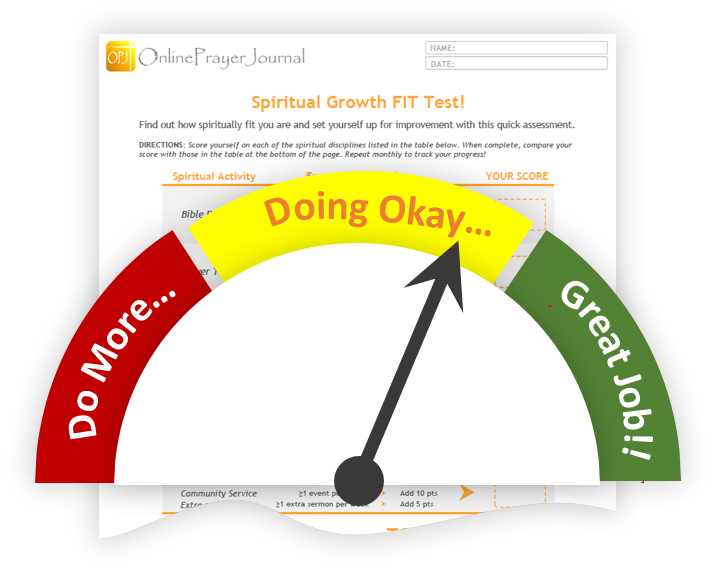
How Spiritually FIT Are You?
Get the OPJ Mobile App!

 |
|

About Us
Our founders are twins from the Heartland of America looking to help other busy people feel growth in their faith and walk with Jesus. The distractions in our world are overwhelming. They quickly consume our best intentions to pray, spend time in devotion, and read the bible. It's easy to get stuck! That's why we create tools to help you use technology to make it easy to stay on track with your spiritual growth :) Learn more...
Links, Contact, and Social